


























Opening a tanning salon in the UK can be a very profitable business, but only if you get the fundamentals right from the start.
We have seen many people invest serious money, choose the wrong equipment, underestimate ventilation or rely on weak marketing, and then struggle to get the business moving.
At the same time, we have helped salon owners launch properly and build something that works from day one.
The difference is always in the decisions made at the beginning.
If you are thinking about opening your own tanning salon, these are the five things that will make the biggest impact.
Why More People Are Considering Opening a Tanning Salon
The beauty and wellness market in the UK continues to grow, but customers are becoming more selective. They want results, consistency and convenience. Indoor tanning fits this demand well.
Unlike many beauty services that rely heavily on staff skills, tanning salons offer a straightforward service. The equipment does the work, and clients return regularly once they see results. This makes it easier to forecast income and manage operations.
Another important factor is location. Tanning salons work not only in large cities, but also in smaller towns where competition is limited and customer loyalty is high. This makes the model accessible to people outside major urban centres.
For many beginners, this is where a tanning salon startup guide becomes valuable. Understanding the basics early helps avoid costly mistakes later.
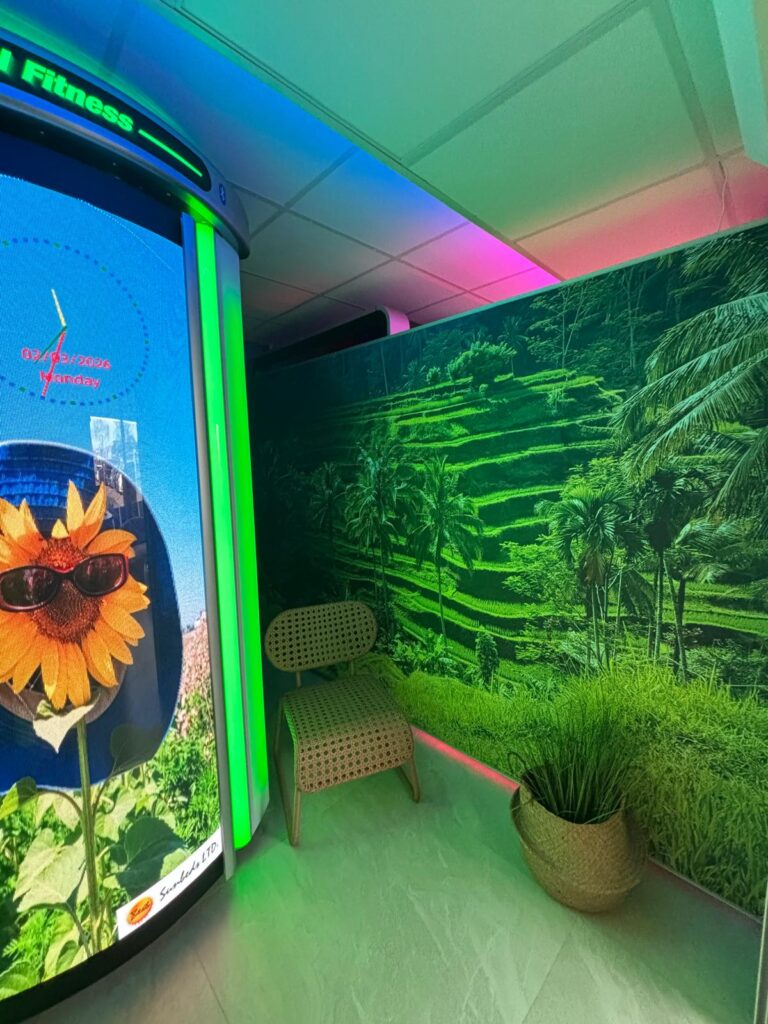
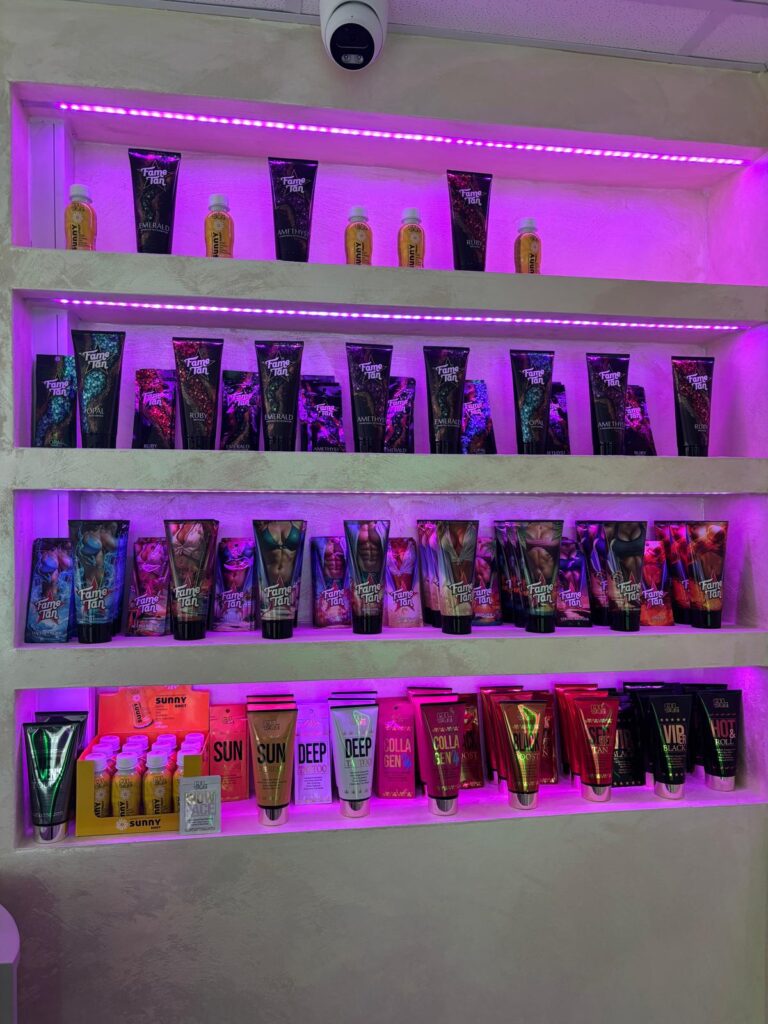
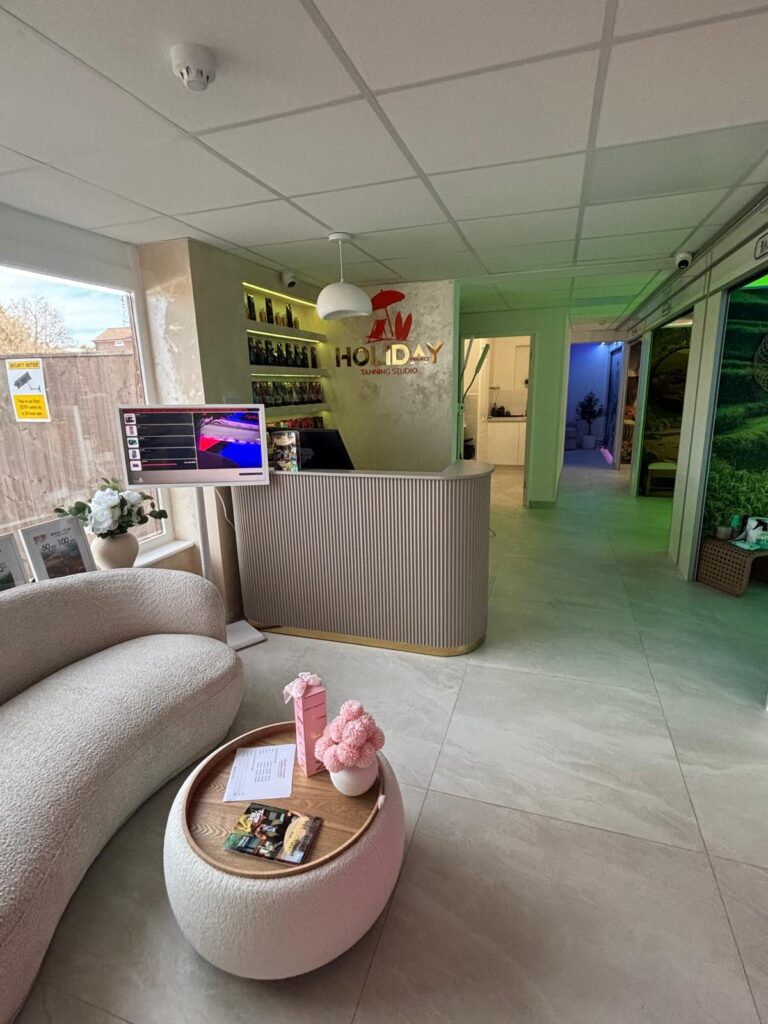
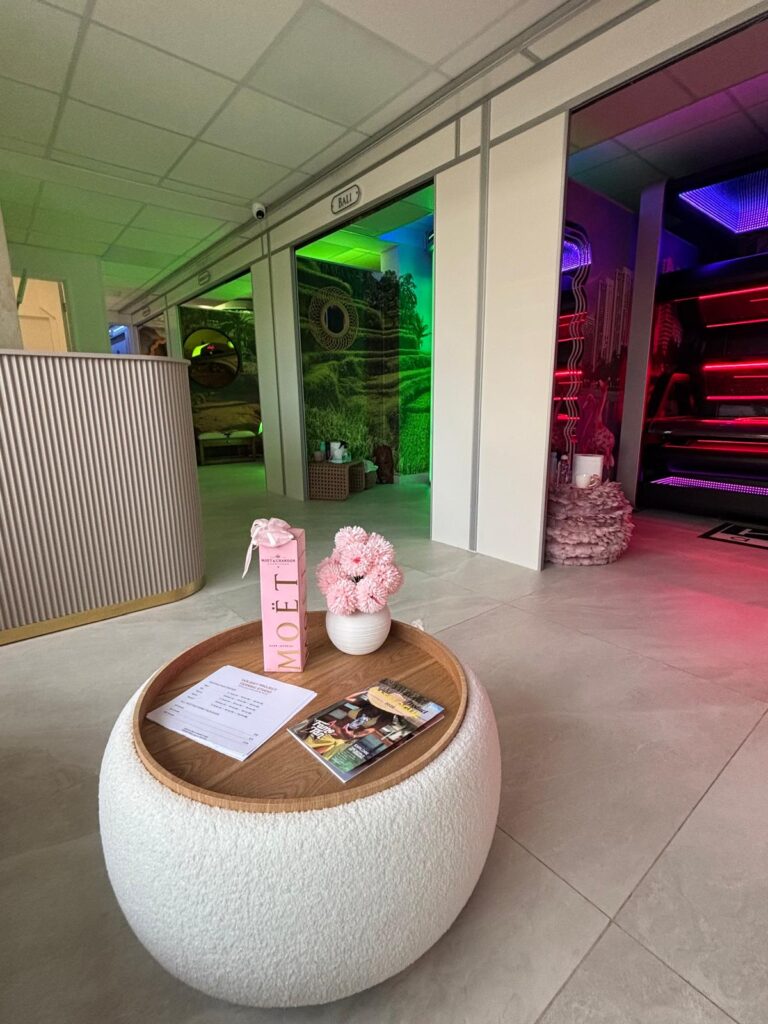
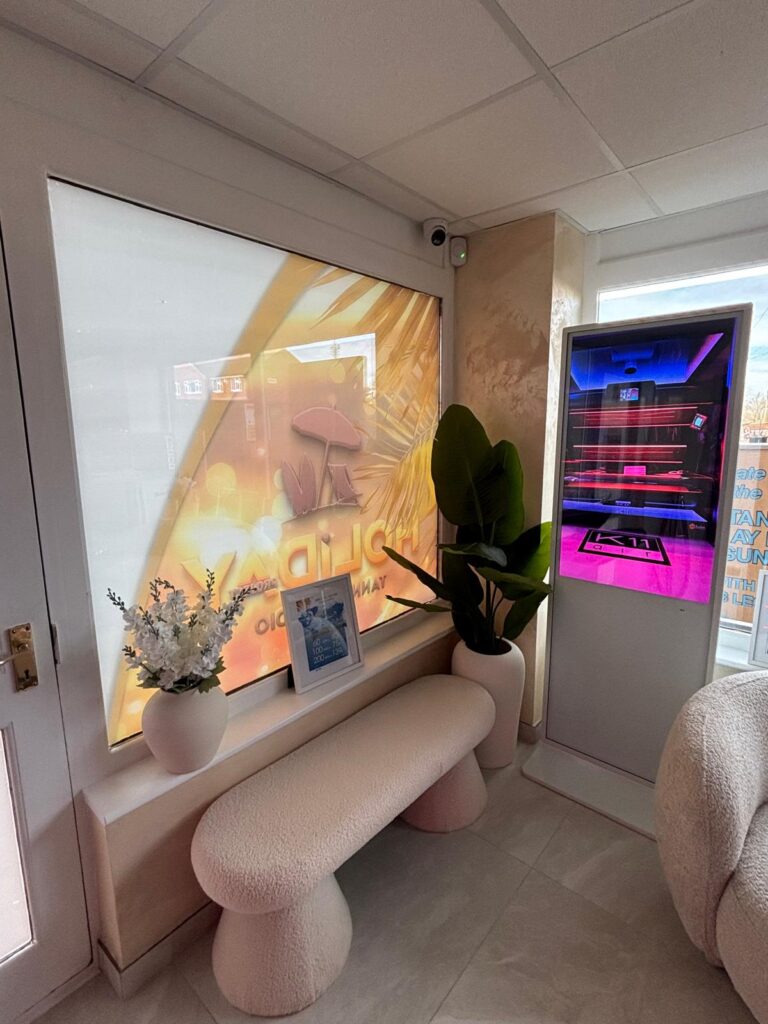
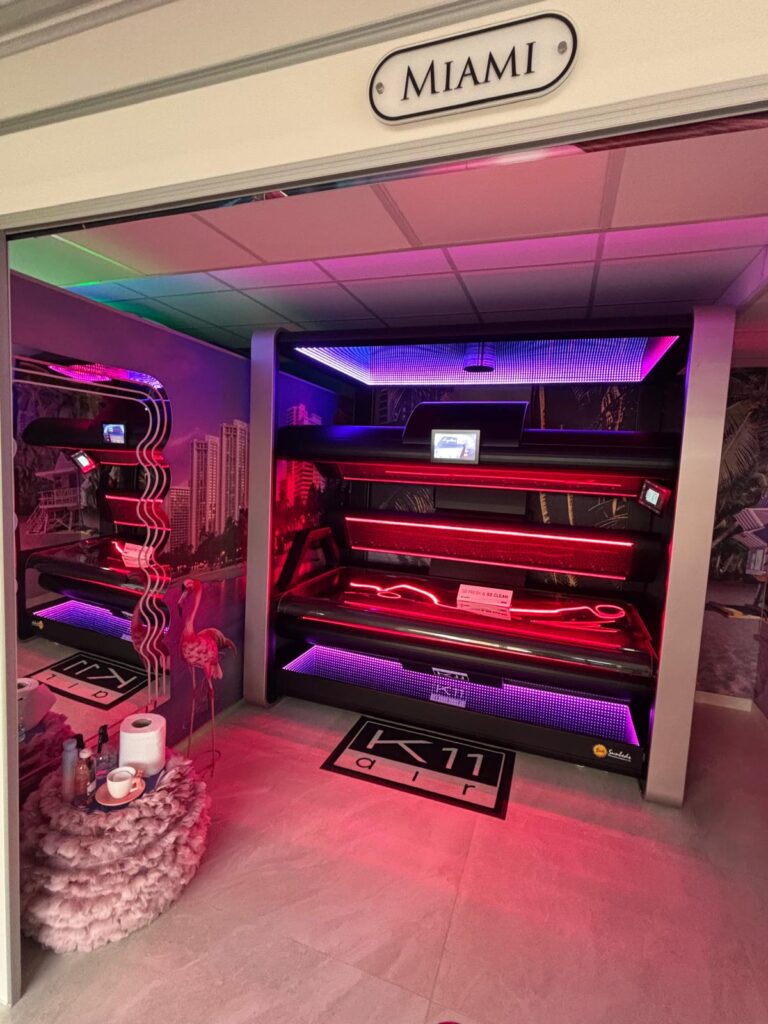
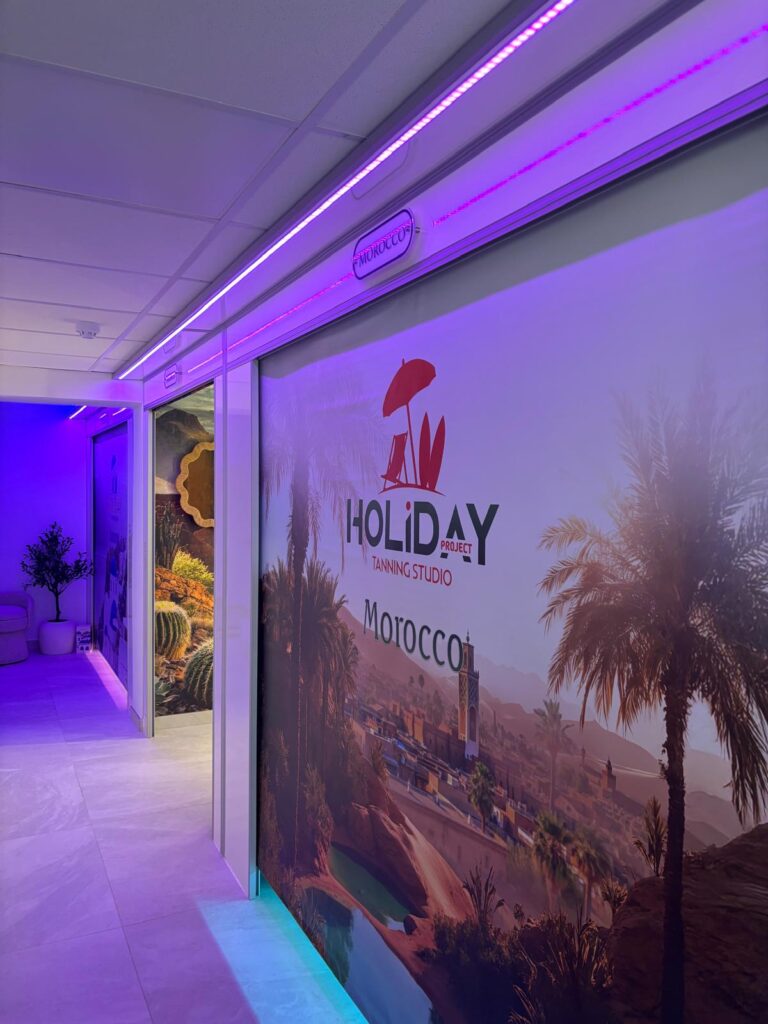
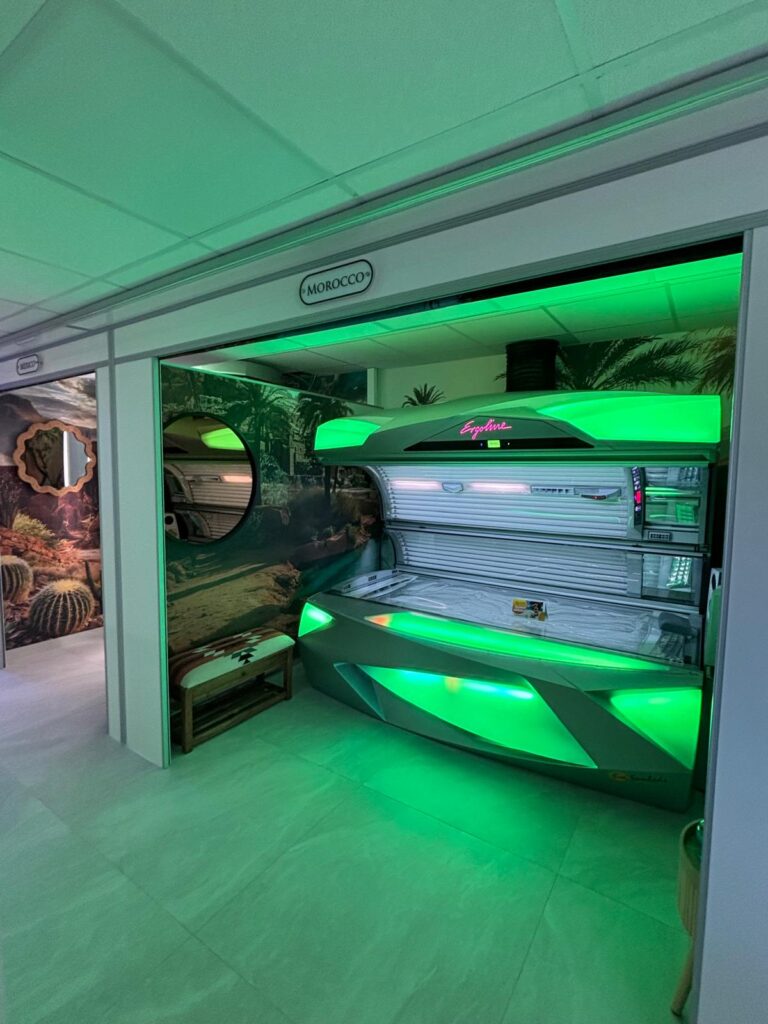
If you are already planning your salon, it is worth speaking to someone experienced before you commit. It can save you a lot of time and money.
👉 Get in touch with our team and see what is available in the UK right now.
For general enquiries, you can call our office on 01865718485.
If you prefer to speak directly with a sunbed specialist, you can reach them on 07982620396 or email sales@bestsunbeds.co.uk.
A quick conversation at this stage can save you a lot of time, money and unnecessary mistakes.
1. Understand the real cost of opening a tanning salon
Opening a salon is not just about buying sunbeds.
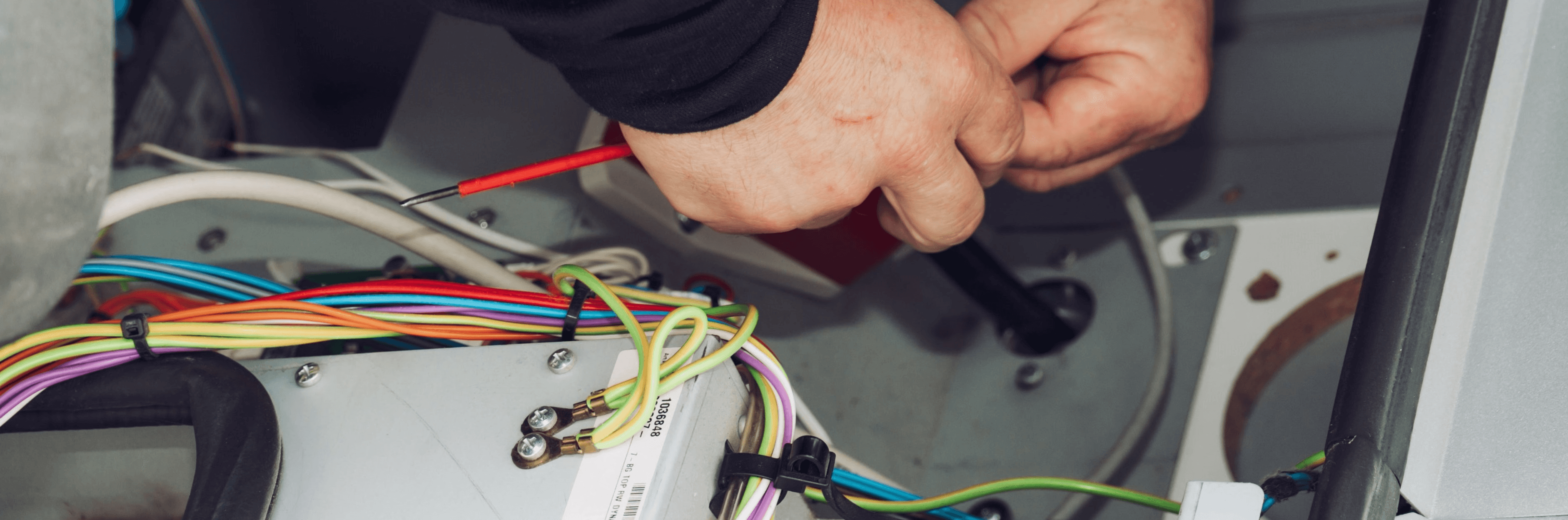
You also need to think about the electrical setup, which in many cases will require three phase power. Ventilation is another key area that is often underestimated but makes a huge difference to performance and reliability. On top of that, there is the shop fit, layout and your initial marketing.
In the UK, most new salons realistically start from around twenty five thousand pounds and can go much higher depending on the size and standard you are aiming for.
One of the most common mistakes is underestimating these setup costs and then having to fix things later.
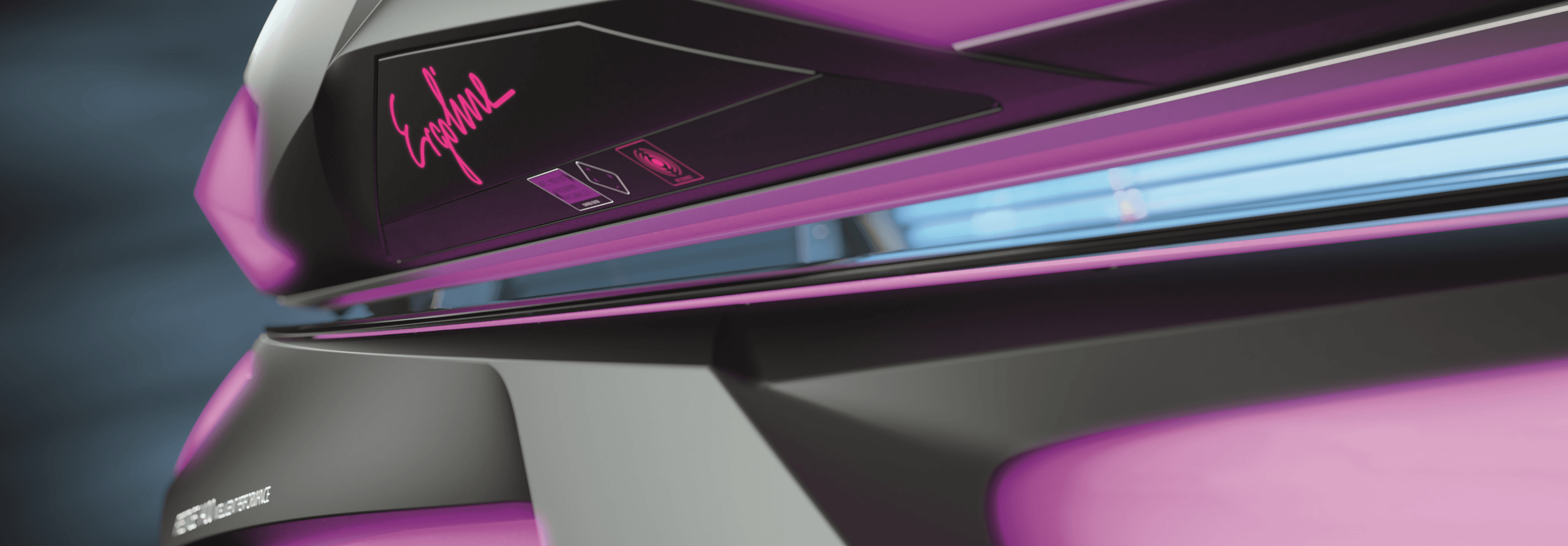
2. Your equipment will define your business
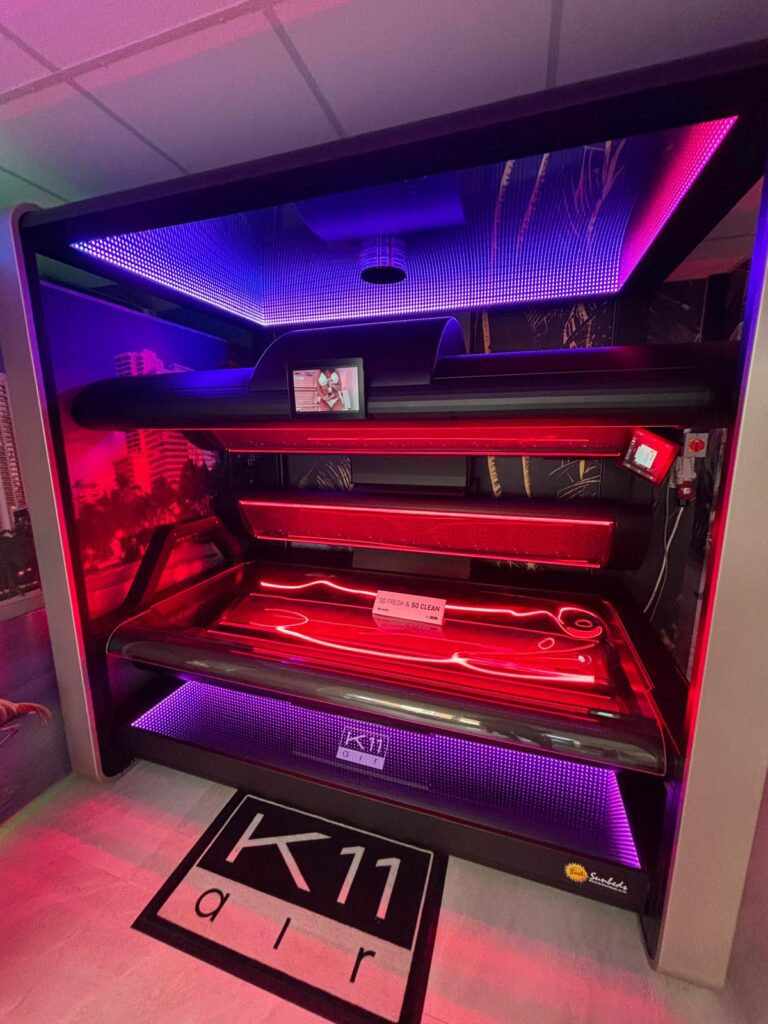
Your sunbeds are the core of your business, so this is not the place to cut corners.
If you choose the wrong equipment, clients will not see the results they expect and they simply will not come back. You will also end up dealing with more maintenance and downtime.
When the equipment is right, everything becomes easier. Clients get better results, they return regularly and they are more willing to recommend your salon.
We always recommend seeing equipment in person before making a decision. Pictures can be misleading and do not tell you how a machine actually performs.
At Best Sunbeds, we hold real stock in the UK that you can view, compare and test before you buy.
Want to see what is currently available?
If you would like to check what is currently available or arrange a viewing, you can contact our sunbed specialist directly on 07982620396 or email sales@bestsunbeds.co.uk
3. Location, power and ventilation matter more than you think
This is one of the most overlooked areas when starting a tanning salon.
Even the best sunbeds will not perform properly if the electrical supply is not correct or if airflow is restricted.
Without proper ventilation, equipment can overheat, performance drops and long term reliability becomes an issue. It also affects the overall experience for your clients.
A good way to think about it is like a car. Without proper cooling, things start to go wrong quickly.
Getting this right from the beginning saves a lot of problems later.
4. How you actually get clients through the door
Opening the salon is only the first step. Consistent clients are what make the business work.
Right now in the UK, local visibility is everything. Your Google profile and customer reviews play a major role in how quickly you grow.
Social media also helps, but only if you stay consistent and actually engage with people.
One of the best things you can do early on is focus on collecting reviews. Reaching your first one hundred reviews quickly can significantly boost your visibility and trust.
If you would like advice on choosing the right products for your salon, you can speak directly with our cosmetics specialist on 07928235519 or email cosmetics@bestsunbeds.co.uk
5. The mistakes that cost new owners the most
We see the same issues come up again and again.
Choosing cheap equipment that does not perform properly
Ignoring ventilation and airflow
Poor planning of the salon layout
No clear pricing structure
No long term plan for attracting clients
Most of these problems can be avoided with the right guidance at the start.
A tanning salon does not require a large team. Many owners start by running the business themselves, especially in the early months. There is no complex service menu, no stock rotation like in retail, and no food hygiene regulations as in hospitality.
Clients are repeat customers. Once someone finds a salon they trust, they usually return for months or even years. This creates predictable income, which is rare in many small businesses.
For beginners, this simplicity is a major advantage. It allows you to focus on marketing, customer experience and equipment quality instead of constant operational firefighting.
Thinking about opening a tanning salon.
If you are at the stage where you are researching or planning, this is the best time to have a proper conversation.
We have been working in the industry for over twenty years, supplying, installing and maintaining commercial sunbeds across the UK.
We do not sell from catalogues. We work with real equipment, real setups and real salon owners.
If you want clear advice and a realistic plan tailored to your situation, just get in touch.
You can call our office on 01865718485, speak directly with a sunbed specialist on 07982620396, or email sales@bestsunbeds.co.uk.
For advice on retail and cosmetics, contact our specialist on 07928235519 or cosmetics@bestsunbeds.co.uk.
Final Thoughts: Is 2026 the Right Time to Open a Tanning Salon in the UK?
For many people, the answer is yes. The model is proven, the technology is better than ever, and customer demand remains strong.
The key is starting with the right information and making informed decisions from the beginning. Speaking to experienced professionals before investing can save significant time and money.
A tanning salon is not a shortcut to success, but it is one of the more accessible and manageable business models available in the UK today when done correctly.